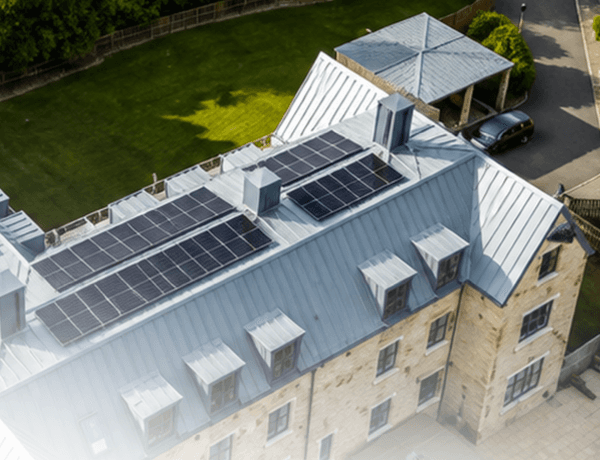
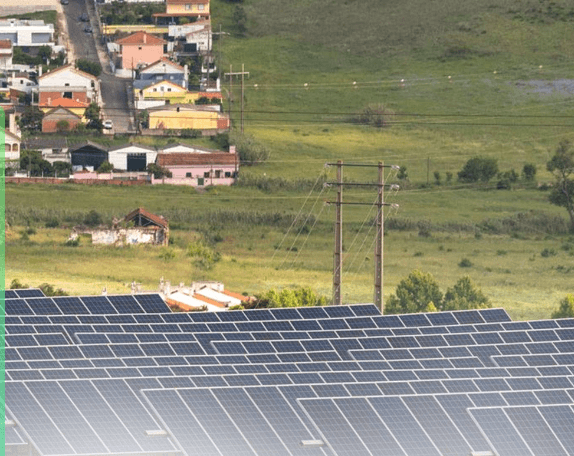
Location: United Kingdom System Scope: 500 kW / 1,000 kWh (0.5 MW / 1 MWh, 2-hour duration) Configuration: Modular, outdoor lithium iron phosphate (LFP) battery container with a bi-directional 500 kW inverter system.
CHALLENGE:
The agriculture and distribution facility was generating excess solar power that had to be curtailed at midday, wasting clean energy it had already paid to produce. At the same time, the site remained heavily exposed to peak-period grid pricing during DUoS Red Band hours, with self-sufficiency capped at just 40% and no way to monetize its underused capacity for grid services.
KEY OUTCOMES:
Zero Wasted Generation: Eliminated solar power curtailment, keeping 100% of the green energy generated on-site. Enhanced Financial Payback: Combined bill savings from peak shaving and extra revenue from grid services yielded an estimated ROI (Return on Investment) timeline of 5.5 years. Grid Independence: Increased the site's total energy self-sufficiency from 40% up to nearly 82%.
SOLUTION:
Autonomy & Optimization Strategy The 0.5 MW BESS was integrated alongside the solar array to act as an intelligent buffer between the site and the national grid:
- Solar Self-Consumption Integration Instead of curtailing excess solar generation during midday, the intelligent Energy Management System (EMS) routes all surplus energy straight into the 1 MWh battery storage system.
- DUoS Red Band Peak Shaving The battery is programmed to automatically discharge during afternoon and early evening peak pricing windows.
- Firm Frequency Response (FFR) When not needed for on-site load management, the remaining capacity of the 0.5 MW system is aggregated into a virtual power plant (VPP) to provide dynamic frequency response to the National Grid.