Modern electricity networks are becoming increasingly complex.
Utilities are deploying Advanced Metering Infrastructure (AMI), digital monitoring systems and analytics platforms at the same time that renewable generation, Battery Energy Storage Systems (BESS) and electric vehicle charging introduce new patterns of supply and demand.
Each technology can provide value independently. The greater opportunity comes from connecting them.
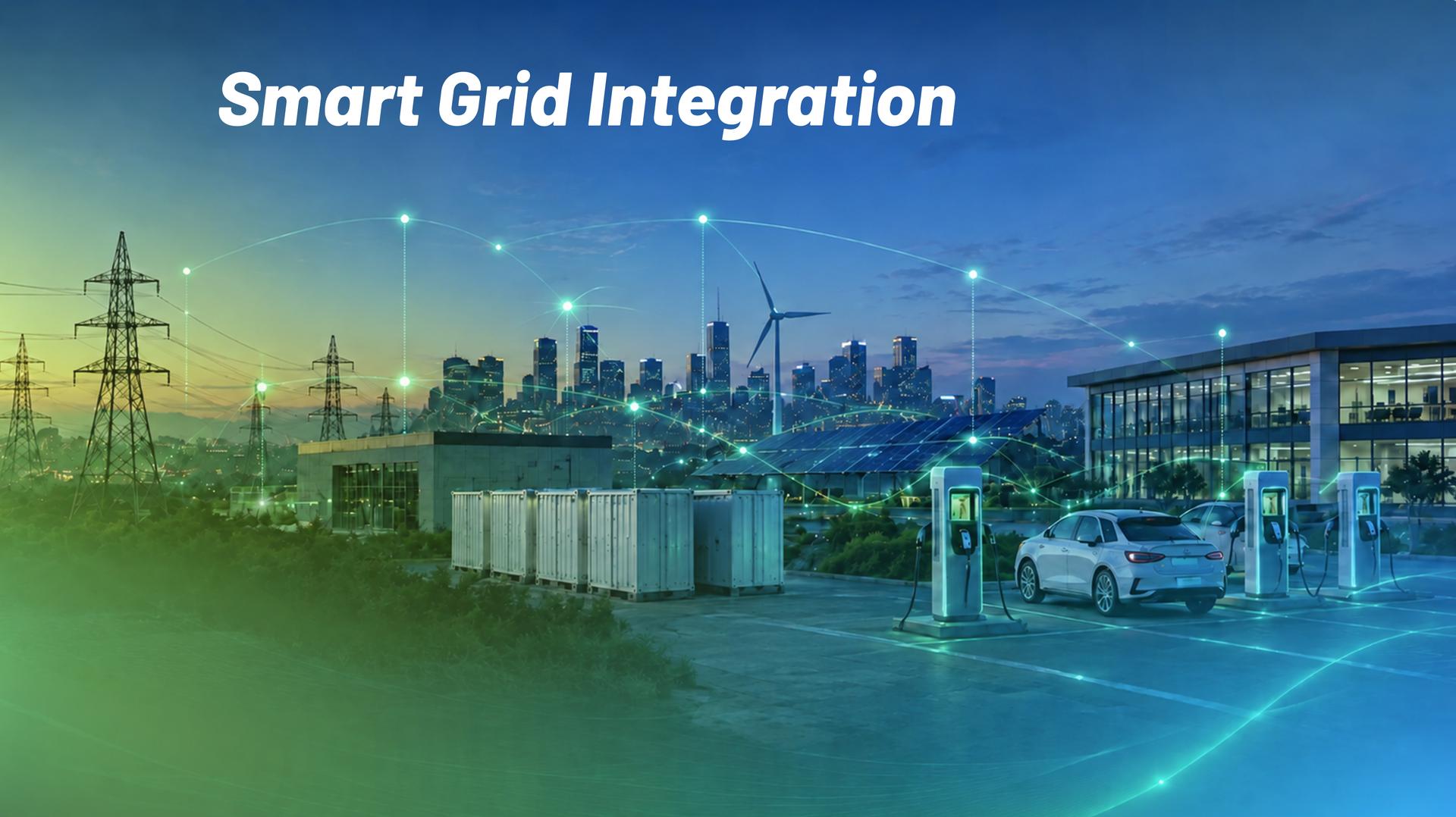
Smart grid integration brings physical infrastructure, operational technologies, data platforms and flexible energy assets together so information can move across the grid and support better-informed decisions.
For utilities, the objective is not simply to add more technology. It is to create an integrated environment where systems can provide a clearer picture of network conditions and support the increasingly dynamic requirements of modern electricity systems.
The U.S. Department of Energy describes smart grids as being enabled by communication technologies, control systems and computer processing that allow different technologies and equipment to work together to deliver electricity more reliably and efficiently.
Why Smart Grid Integration Matters
Traditional electricity networks were largely designed around centralized generation and predictable one-way power flows.
That environment is changing.
Solar and wind generation are increasing, battery storage is expanding, and new electricity loads such as EV charging and data centers are becoming more significant. The International Energy Agency notes that these changing generation and demand patterns are increasing the need for power-system flexibility and stronger integration of generation, load and storage technologies.
This creates an integration challenge.
A utility may have smart meters collecting consumption data, operational systems monitoring network conditions, analytics platforms forecasting demand, batteries providing flexibility and EV chargers adding new electricity loads. If these systems remain disconnected, operators may struggle to build a consistent view of what is happening across the network.
Smart grid integration focuses on connecting these layers.
AMI: Building Visibility at the Edge of the Grid
Advanced Metering Infrastructure creates an important digital connection between customers and utility systems.
AMI combines smart meters, communication networks and digital platforms to support automated data collection, remote monitoring and greater visibility across distribution networks.
Esyasoft's AMI capabilities include smart meters, IoT devices, secure communications, scalable network management and digital platforms for electricity, water and gas utilities.
Within a smart grid, this data provides an increasingly important view of how demand is changing across the network.
However, collecting information is only the beginning.
The data must also be managed and interpreted before it can support operational decisions.
Connecting Meter Data with Analytics and Operational Intelligence
Meter Data Management Systems, or MDMS, provide a structured environment for collecting, validating and managing smart-meter information.
Analytics platforms can then use this information alongside other operational data to identify trends, forecast demand and improve network visibility.
Esyasoft's Software, Analytics & AI portfolio includes Meter Data Intelligence, demand forecasting, grid analytics, digital twins and operational intelligence. Its Meter Data Management capability centralizes and validates smart-meter data for analytics, reporting and operational decision-making.
This creates a progression:
AMI provides data.
MDMS organizes it.
Analytics helps turn it into intelligence.
Operational technologies can then use relevant information to support the management of physical infrastructure. Systems such as SCADA remain important within utility operations by providing monitoring and control across network assets. Esyasoft's Digital Grid Analyzer, for example, includes integration capabilities with SCADA and energy management systems.
The objective is greater coordination between what utilities can see digitally and what is happening physically across the network.
Connecting BESS to the Smart Grid
Battery Energy Storage Systems add another important layer: flexibility.
A grid-scale battery can store electricity and discharge it when required. Depending on its configuration and operating environment, BESS can support renewable integration, frequency regulation, peak shaving, load shifting and grid resilience.
These are capabilities included within Esyasoft's published grid-scale BESS portfolio.
The value of storage increases when battery operations can respond to wider system conditions rather than functioning as an isolated asset.
Information about demand, renewable generation and network conditions can provide the context required to determine when flexibility is most valuable.
The IEA identifies utility-scale batteries as a versatile source of short-term power-system flexibility that can support renewable integration, balancing and grid services.
Integrating EV Charging into Grid Operations
Electric vehicles introduce a different challenge.
Unlike many traditional loads, EV charging can create significant demand that is concentrated by location and time. If large numbers of vehicles begin charging simultaneously, local networks may experience additional pressure.
But charging demand can also be flexible.
Smart charging enables the timing or rate of charging to be managed according to energy availability, operational requirements or grid conditions.
Esyasoft's e-Mobility offering includes EV charging infrastructure, Charge Point Management Systems, fleet electrification and Charging & Energy Management capabilities covering smart charging, load management, tariff optimization, energy visibility and grid-synchronized charging operations.
The IEA similarly notes that smart EV charging can shift loads to reduce peak demand and help distributed energy resources contribute more effectively to grid needs.
As EV adoption grows, integrating charging into the wider energy system will become increasingly important.
From Individual Technologies to a Connected Energy System
The defining feature of a smart grid is therefore not any single technology.
It is the ability to connect them.
AMI provides visibility into consumption. Data platforms organize information. Analytics supports forecasting and operational insight. Grid monitoring systems provide visibility into physical infrastructure. BESS introduces flexible storage. EV charging creates both new demand and opportunities for smarter energy management.
When these capabilities are designed as part of an integrated environment, utilities can develop a more complete understanding of how supply, demand, infrastructure and flexible assets interact.
This is also the direction in which Esyasoft positions its wider portfolio.
Esyasoft brings together Smart Utility Solutions, Software, Analytics & AI, Battery Energy Storage Systems, e-Mobility and Energy as a Service within one energy transition ecosystem. Its Smart Utility offering specifically includes system integration alongside smart metering, IoT infrastructure and software platforms.
Successful integration requires knowledge of utility infrastructure, communications, software, data management and the increasingly diverse assets connecting to electricity networks.
For utilities, this means considering how technologies will exchange information and operate together from the beginning rather than introducing integration only after individual systems have been deployed.
Esyasoft's capabilities span smart metering and AMI, software and analytics, grid-scale storage and e-Mobility. This cross-vertical portfolio supports an integrated approach to energy transition infrastructure, connecting digital systems with the physical assets increasingly shaping modern grids.
As power systems become more distributed, digital and flexible, the future of grid modernization will depend not simply on deploying more technology, but on how effectively those technologies are connected.